Animation
Rendered film: flythroughs, urban-scale animation and launch films, cut to the length a sales floor or a committee actually watches.
Film earns its place when a project cannot be understood from a single frame. A masterplan read at walking pace, a tower approached from the street, a district that only makes sense once you see how the parts connect — those are animation problems, and a still cannot solve them however good it is.
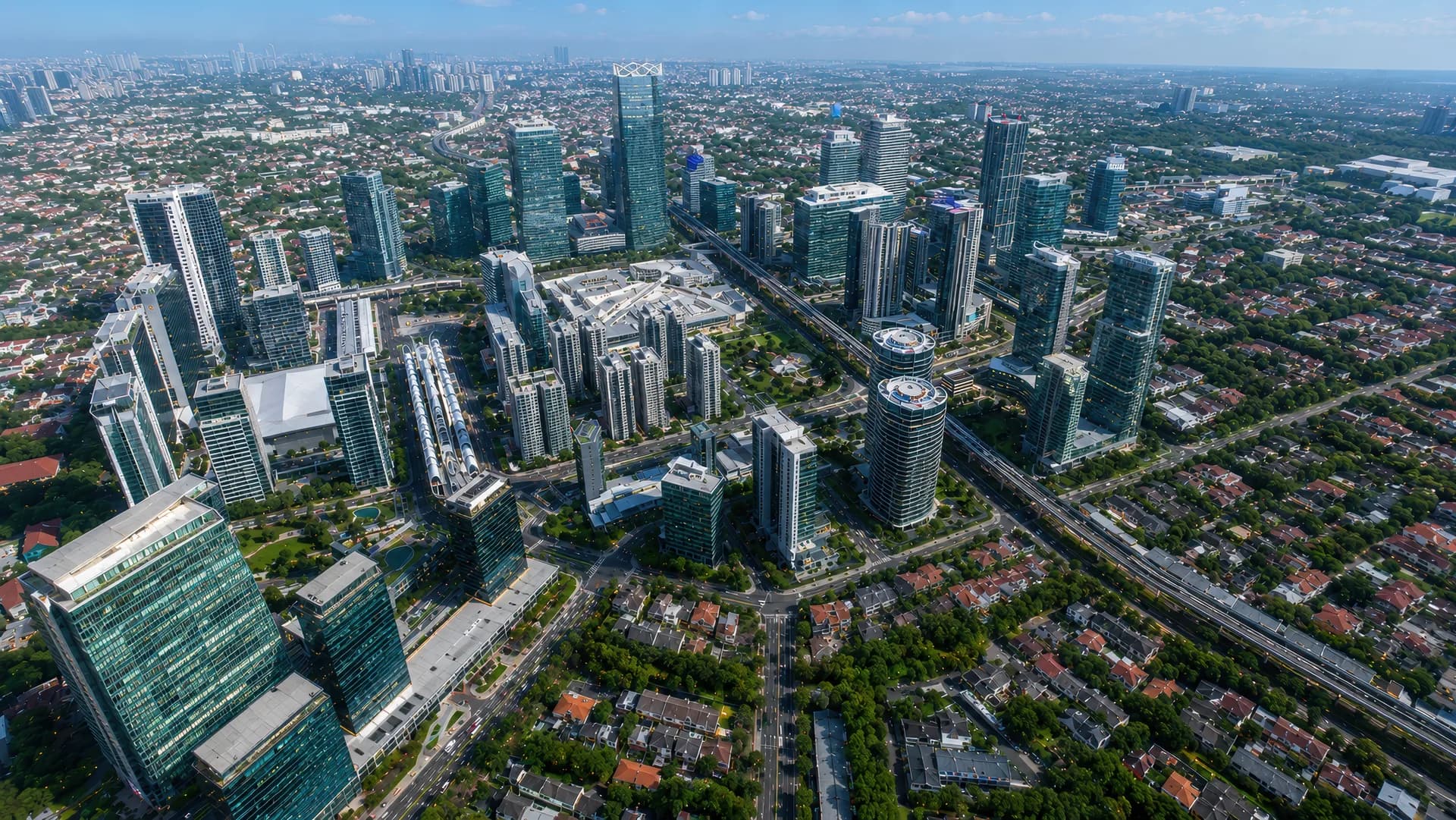
We work at two very different scales. Urban-scale animation covers masterplans, districts and infrastructure, usually for planning review and public consultation, where accuracy and legibility matter more than gloss. Launch film covers residential and mixed-use marketing, where the job is to make a place feel worth living in and to hold attention on a sales floor.
Every film starts with an edit, not a camera. We storyboard the sequence and agree the running time before any frame is rendered, because a film is a structure and the expensive mistake is discovering in week five that the order is wrong. An animatic in grey-shade goes back for approval first.
Camera movement is deliberately restrained. Slow moves let a viewer read a building; fast ones hide it. Where a move exists it is because the geometry rewards it — a reveal past a corner, a rise that explains a section, a push that arrives somewhere.
Sound is treated as part of the deliverable rather than an afterthought. A committee screening and a launch event need different mixes, and a film that only works with music is a film that fails in a quiet room. We deliver with and without a music bed.
Length is set by use. Consultation films run three to five minutes because the audience is obliged to watch; launch films run sixty to ninety seconds because the audience is not. Cutdowns for social are produced from the same sequence rather than re-rendered.
Delivery covers the formats each channel needs, at the frame rates and aspect ratios agreed at the outset, including vertical crops where the sequence has been framed to allow them.
Scheduling is where animation projects most often go wrong. A film is a long pipeline with a hard dependency chain, and inserting a design change after look development has been signed off costs far more than the same change during the animatic. We are explicit about where each door closes, so the cost of a late change is a decision rather than a surprise.
How this service runs.
- 01
Brief and storyboard
We agree what the film has to explain and in what order, then board it. Running time is fixed here.
- 02
Animatic
A grey-shade animatic at full length. Pacing and camera moves are approved before any production render.
- 03
Look development
Materials, lighting and one fully finished key frame, so the visual target is signed off in one image rather than argued over in motion.
- 04
Production render
Sequence rendered in full, with progress shared at intervals rather than all at the end.
- 05
Edit, grade and sound
Final cut, colour grade and sound mix, delivered with and without the music bed.
- 06
Delivery and cutdowns
Master file plus the channel formats and vertical crops agreed at the outset.
- How long should the film be?
- Sixty to ninety seconds for a launch, three to five minutes for planning or consultation. We will push back if a brief asks for longer than the content supports.
- Can you use our existing model?
- Usually. Models built for stills often need work to survive a moving camera, and we will say so before committing to a schedule.
- Do you handle sound?
- Yes — mix and music licensing, delivered both with and without the music bed so the film works in a quiet room.
- Can we get social cutdowns?
- Yes, produced from the same sequence rather than re-rendered, including vertical crops where framing allows.